Start with coverage rather than the amp number
The transfer switch and generator perform different jobs. A switch’s current rating does not mean the generator can supply that much household demand. A whole-panel connection can still require managed or excluded loads. That is why a proposal needs a backed-up circuit list as well as equipment model numbers.
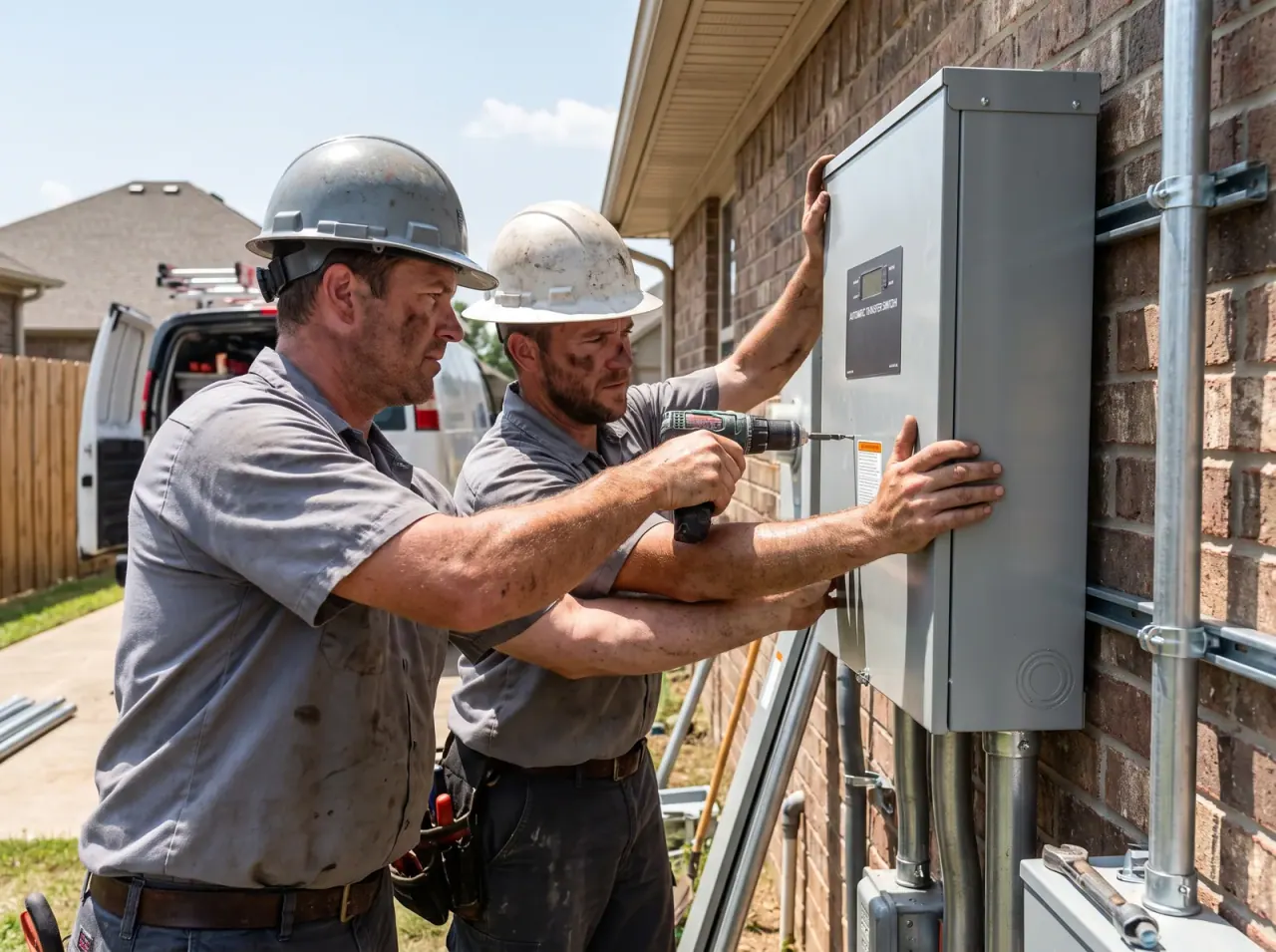
Generac’s automatic transfer-switch manual covers professional installation and code compliance. This guide helps you understand the proposal; it does not describe how to open or wire the equipment. Both the utility and generator can be sources of hazardous energy.
Compare three coverage approaches
| Approach | What to clarify | Common misunderstanding |
|---|---|---|
| Selected essential circuits | The exact circuits moved or connected to backup | “Essentials” means the same thing to every household |
| Whole-panel connection | Available generator capacity and excluded or controlled loads | Every appliance can operate together |
| Whole-panel with load management | Managed loads, priorities and restart behavior | A disconnected load is a system fault |
There is no universal winner. A household concerned mainly with refrigeration, heating controls and basement drainage may prefer a narrower plan. A household wanting more comfort during a long outage may ask about broader coverage. The choice should remain visible in the load assessment.
Write down what automatic actually means
An automatic system senses a supply problem and follows its configured sequence. Generator starting, transfer, return to utility and cooldown are separate events. Ask the installer to show which events you will notice and what equipment needs its own restart after a supply interruption.
Household electronics may briefly lose power before generator supply is available. If an uninterrupted connection matters for a computer or other equipment, discuss a suitable UPS or a separate continuity solution with its supplier. Do not equate automatic backup with zero interruption.
The commissioned system should be demonstrated under its approved conditions. The installation handoff checklist includes a record of that demonstration.
Give load management a job you can understand
A useful load-management description says which load is controlled, when it is paused and how it is returned. “Smart switch” is not a circuit schedule. Ask how the system behaves when heating, a pump and kitchen equipment request power close together.
- Does the plan manage an EV charger, water heater or another optional load?
- Are any heating stages unavailable during backup operation?
- How will you know that a load is intentionally paused?
- Who changes the design if you add equipment later?
The owner should be able to distinguish normal managed operation from a fault that requires help. Keep the operating explanation with the manuals instead of relying on a conversation that happened months earlier.
Make future changes part of a new assessment
Replacing a heating system, adding a vehicle charger or changing a pump can affect the agreed backup plan. Tell both the equipment installer and generator professional about those changes. A circuit already connected to a backed-up panel is not proof that its new load has been included in the capacity calculation.
For heat pumps, use the heating-mode worksheet. For well systems, use the pump and controller worksheet. These are different starting problems even when both are described casually as “one circuit.”
What should the proposal and handoff include?
- Generator and transfer-switch models, plus relevant ratings.
- Circuit coverage and controlled-load descriptions.
- The required permit and utility coordination scope, as confirmed for the address.
- A demonstration, labeled operating instructions and a service contact.
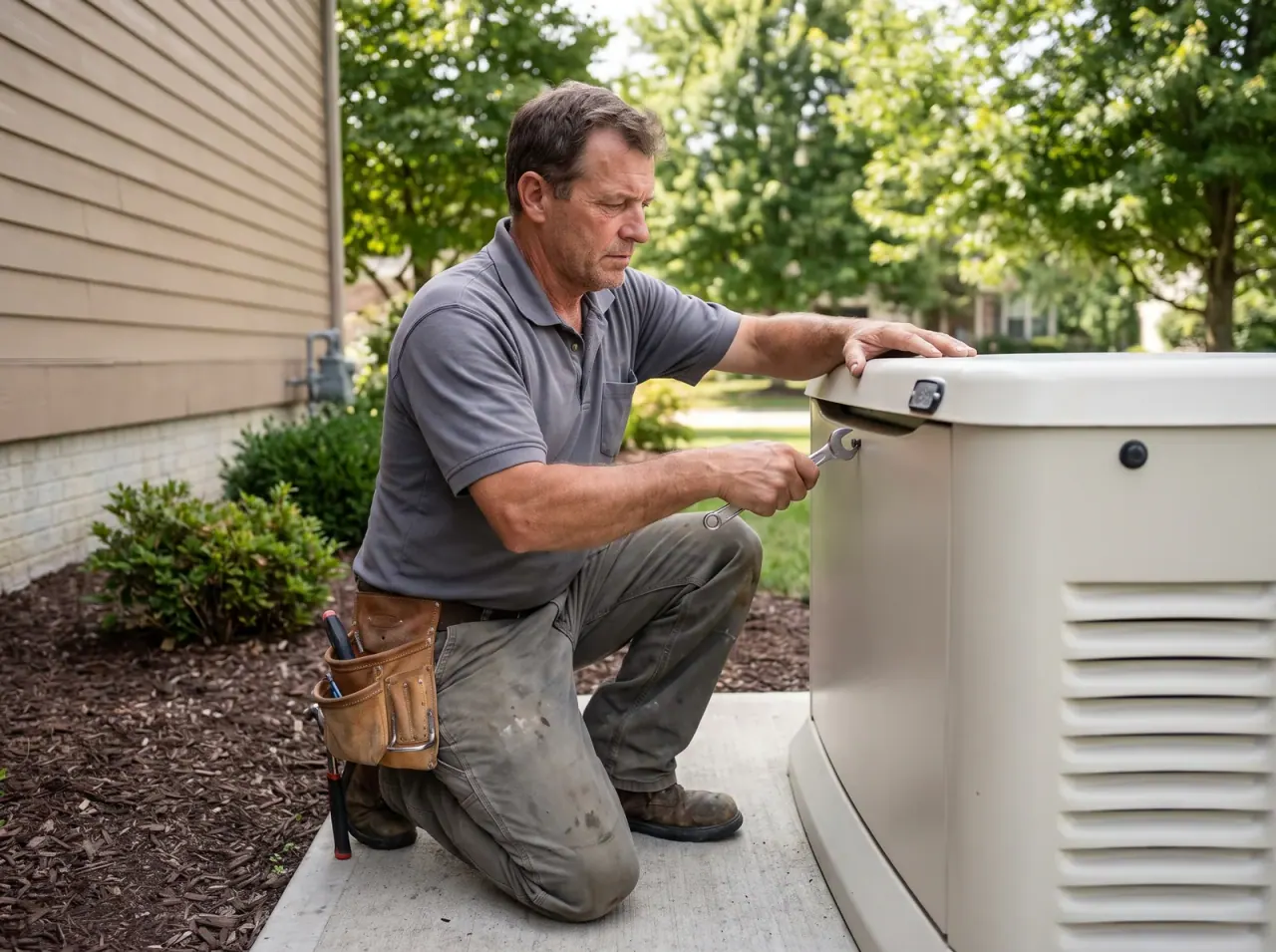
Ask about transfer-switch installation planning when a new system or an existing connection needs review. If your generator runs but the house remains without power, describe that symptom to a service professional rather than assuming the generator engine has failed. Never reach into transfer equipment to investigate.
Sources and scope
Prepared from the primary sources below. Equipment manuals and the responsible local authority control the requirements for your specific project; this page is a planning aid, not an installation procedure.