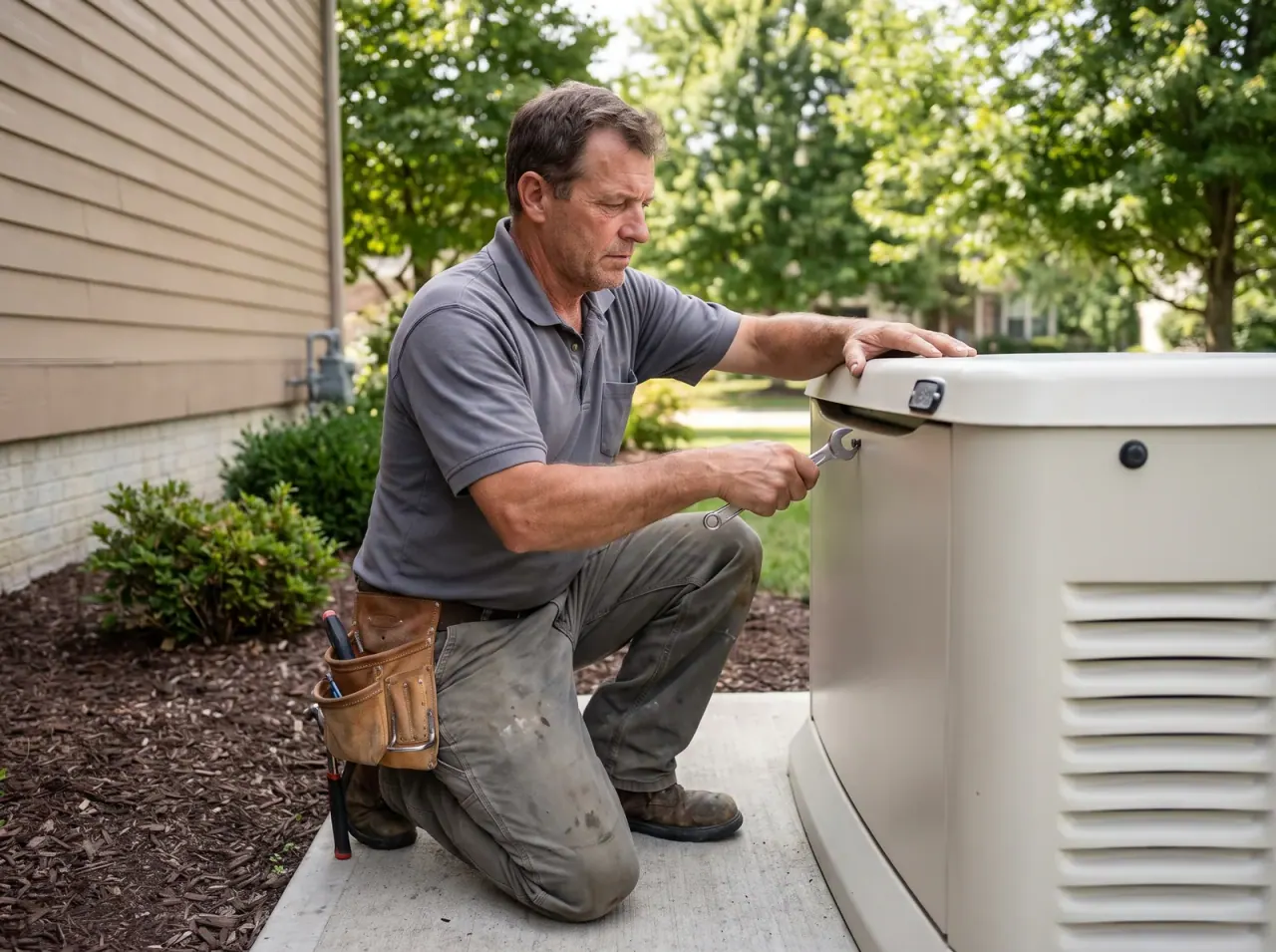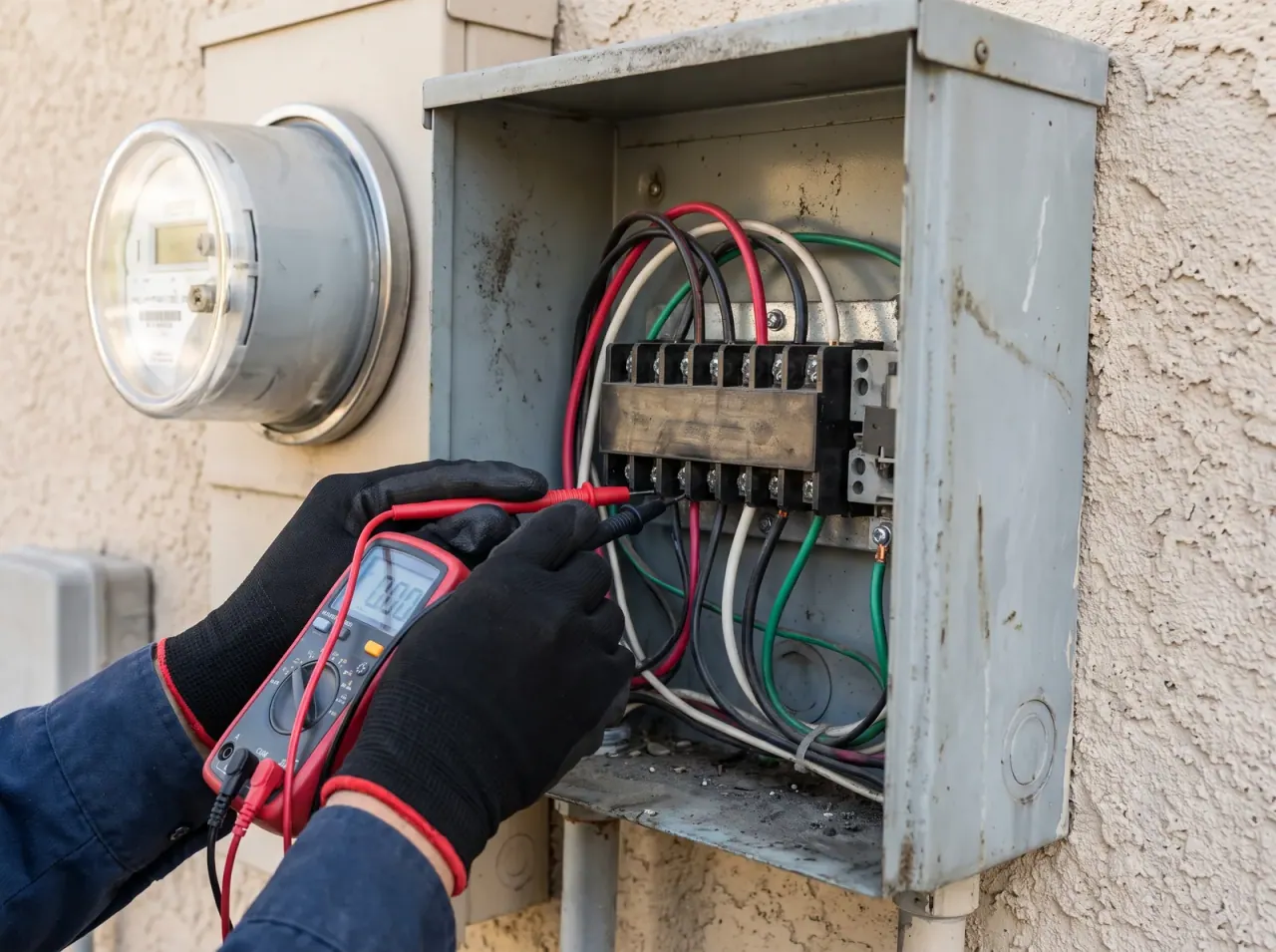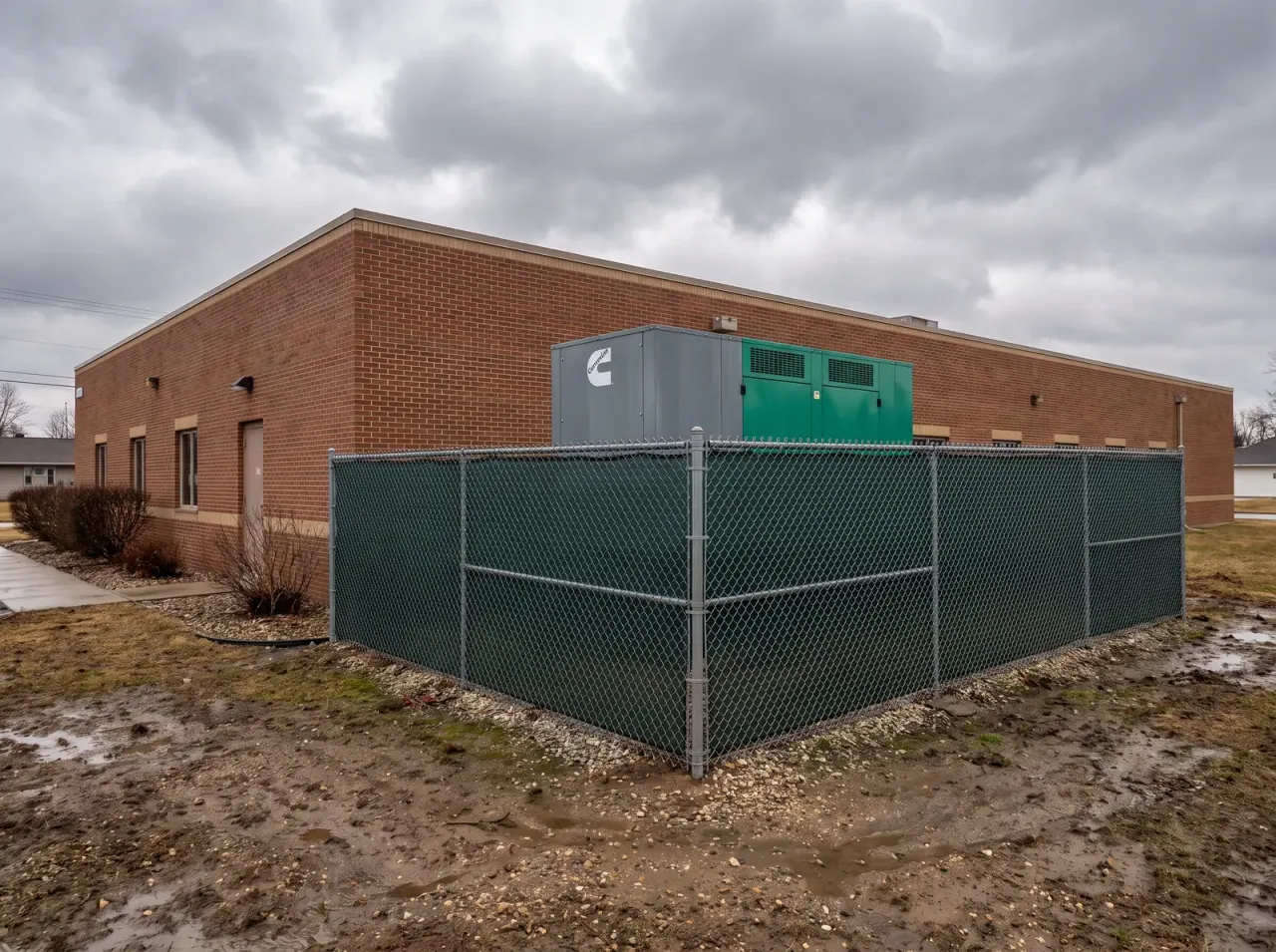
Separate business continuity from a residential assumption
Commercial backup planning begins with a list of critical operations and a statement of the outage your business intends to tolerate. Refrigeration, communications, access systems, equipment and heating can have different operating and restart needs. A residential sizing shortcut cannot establish the design for a commercial property.
Safety or legally required systems need review by the relevant licensed design professionals and responsible authorities. Do not classify a required system as optional convenience power based on this website. This page does not certify compliance for healthcare, food operations or any regulated use.
Build a critical-operation inventory
| Business task | Document before the assessment |
|---|---|
| Protect stock or equipment | Equipment models, supply needs and acceptable interruption |
| Keep communications available | Power requirements and external network dependencies |
| Maintain site access | Relevant systems and authorized operating procedures |
| Restart after an outage | Equipment sequence, staffing and operational constraints |
| Support required systems | Applicable professional design and authority review |
Record what can stop safely and what needs a controlled restart. Employees should not be asked to improvise an electrical or fuel connection to protect a business process.
Have the electrical design checked for the actual equipment
Give the design professional equipment documentation rather than a sum of generic appliance watts. Motors, simultaneous loads and operating modes deserve specific review. Generac’s standby sizing tool illustrates why motor starting is distinguished from other demand; it does not replace a commercial engineering assessment.
Ask which loads the proposal supplies, which it manages and what it excludes. If a system requires a different continuity solution, record that responsibility instead of assuming the generator covers it.
Define installation and operation responsibilities
- Who produces the design and confirms applicable requirements?
- Who obtains approvals and coordinates the utility or fuel supplier?
- Who performs installation, commissioning and acceptance testing?
- Who operates, maintains and responds to faults after handoff?
Use written scope and an agreed test plan. The proposal checklist can help organize cost and responsibility questions, but a business project may need additional professional documentation and acceptance criteria.
Budget for the whole continuity plan
Include site work, fuel supply, electrical connection, transfer equipment, commissioning and maintenance alongside the generator. Discuss external dependencies such as communications networks, staff access and fuel delivery. Power alone may not restore every business operation.
Do not treat an equipment warranty as an uptime guarantee. Ask for the actual manufacturer documents and the service agreement that explains what help is available.
Prepare a commercial inquiry
Share the property city, business use, equipment priorities and whether the project is a new installation, replacement or assessment of an existing system. Avoid sending customer records or other sensitive business data; equipment and project scope are the useful starting facts.
Availability, provider qualifications, design responsibility and project requirements must be confirmed. For an existing generator fault, use the repair inquiry page. For a new system, collect a handoff checklist appropriate to the documented commercial scope.
Sources and scope
Prepared from the primary sources below. Equipment manuals and the responsible local authority control the requirements for your specific project; this page is a planning aid, not an installation procedure.