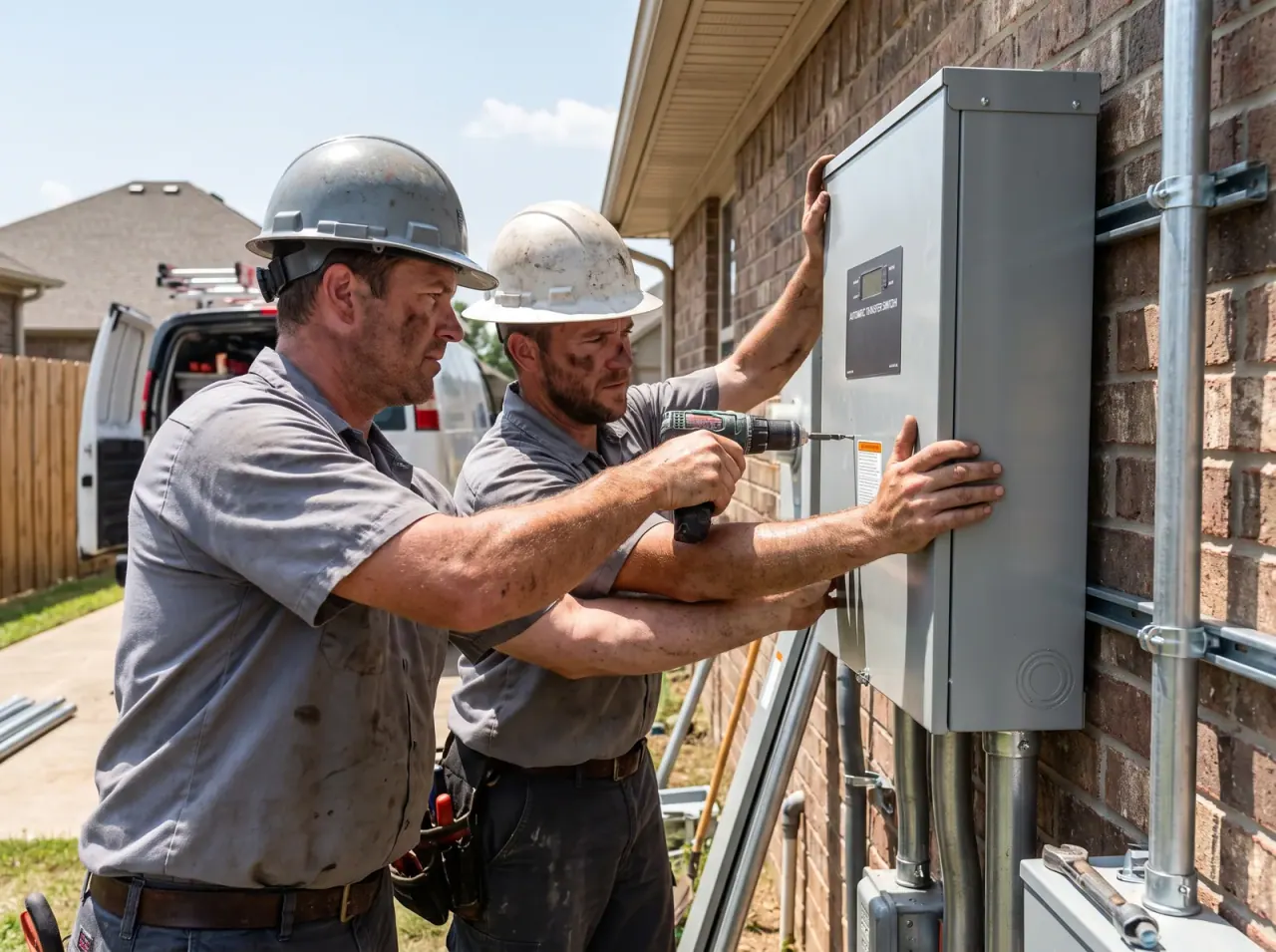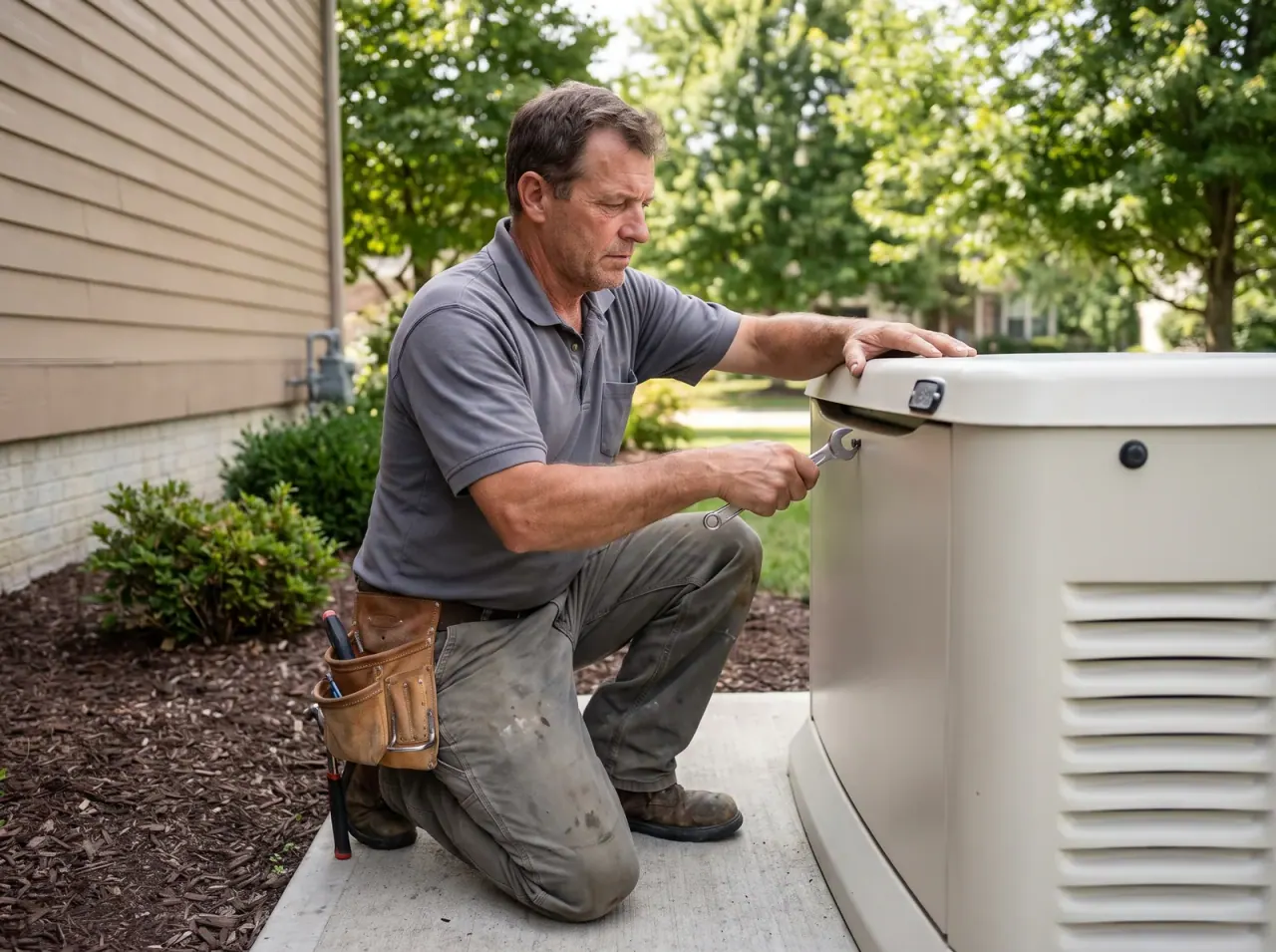
Make the same brief available to each bidder
Use one equipment list and one description of your outage priorities. If you tell one bidder that you want the entire house backed up and another that you only need selected circuits, their quotes answer different questions. Clarify the desired coverage before negotiating the price.
Include the property city, current fuel source, known placement constraints and major loads that may change soon. Avoid choosing a generator size in the request unless a qualified assessment already supports it. The load worksheet is a better starting brief than a brand and a kilowatt number.
KOHLER’s buying guidance connects equipment selection with placement, fuel and installation requirements. That is why a generator-only offer should not be treated as a complete installed proposal.
Use a line-by-line comparison sheet
| Scope item | Record for every proposal | Question if missing |
|---|---|---|
| Generator | Exact model and rating on proposed fuel | Are the stated outputs comparable? |
| Transfer and load coverage | Switch model, backed-up circuits and managed loads | What can run together? |
| Placement and pad | Approved site assumptions and pad scope | What site change would alter the total? |
| Fuel work | Routing, supply assumptions and responsible party | Is meter/tank work included? |
| Electrical work | Connection scope and any panel work | What is excluded from the base bid? |
| Approvals | Permit, utility and association responsibilities | Who obtains each required approval? |
| Testing and handoff | Commissioning, documentation and owner instruction | How will you know the agreed system works? |
| Ongoing support | Warranty documents and service terms | What is a manufacturer term versus a contractor promise? |
Write “not stated” in an empty cell. Do not fill it with an assumption that the contractor handles everything. A revised written quote is the appropriate place to resolve a gap.
Look for a coverage difference hiding inside the price
Illustrative example: Proposal A includes selected essential circuits. Proposal B connects the main panel and manages several large loads. Even if the two generators have similar headline output, these are different operating plans. Ask the bidder to show the circuit coverage and normal managed-load behavior.
Another example is fuel work. One proposal may assume an existing supply is adequate; another may include supplier coordination or a longer line route. A site assessment should resolve that assumption before you compare the totals. These examples are planning scenarios, not documented local projects or price claims.
Read the transfer and load-management comparison and the fuel guide if a proposal uses terms that are difficult to translate into household behavior.
Separate assumptions, allowances and exclusions
- An assumption says what the bid was designed around; ask what happens if it is wrong.
- An allowance provides an amount for a scope not fully resolved; ask how the final cost is calculated.
- An exclusion leaves work outside the bid; identify who will do it and when.
- A change process explains who approves a revised scope and price before extra work proceeds.
Do not treat “typical installation” as a drawing. The proposed pad location, routes and equipment should be clear enough to understand. The placement checklist helps you collect site questions without pretending to approve a construction plan.
Read warranty and payment terms as separate decisions
Request the manufacturer warranty for the exact model and any contractor labor or service warranty in writing. Ask who handles registration and how a claim is initiated. Do not infer a warranty length from a brand badge or a promotion you have not confirmed.
For payment, identify deposit timing, milestones, final balance and the treatment of changes or delays. If financing is offered, request the lender’s actual terms and total repayment information. This site does not publish an approved lender offer or APR. The financing questions page is a planning aid, not a credit application.
Keep scope review and financing review separate. A manageable monthly payment does not resolve an incomplete installation bid.
Choose the bid you can explain back
Before accepting, describe in your own words the equipment, the covered loads, the site work and the handoff. If you cannot explain what the house will do during an outage, ask for a clearer proposal. A clear bid reduces avoidable disputes and makes later service easier.
Use the cost-factor guide for the broader budgeting picture and the handoff checklist for completion criteria. Send your project priorities with an installation inquiry rather than requesting an unsourced one-size-fits-all price.
Sources and scope
Prepared from the primary sources below. Equipment manuals and the responsible local authority control the requirements for your specific project; this page is a planning aid, not an installation procedure.